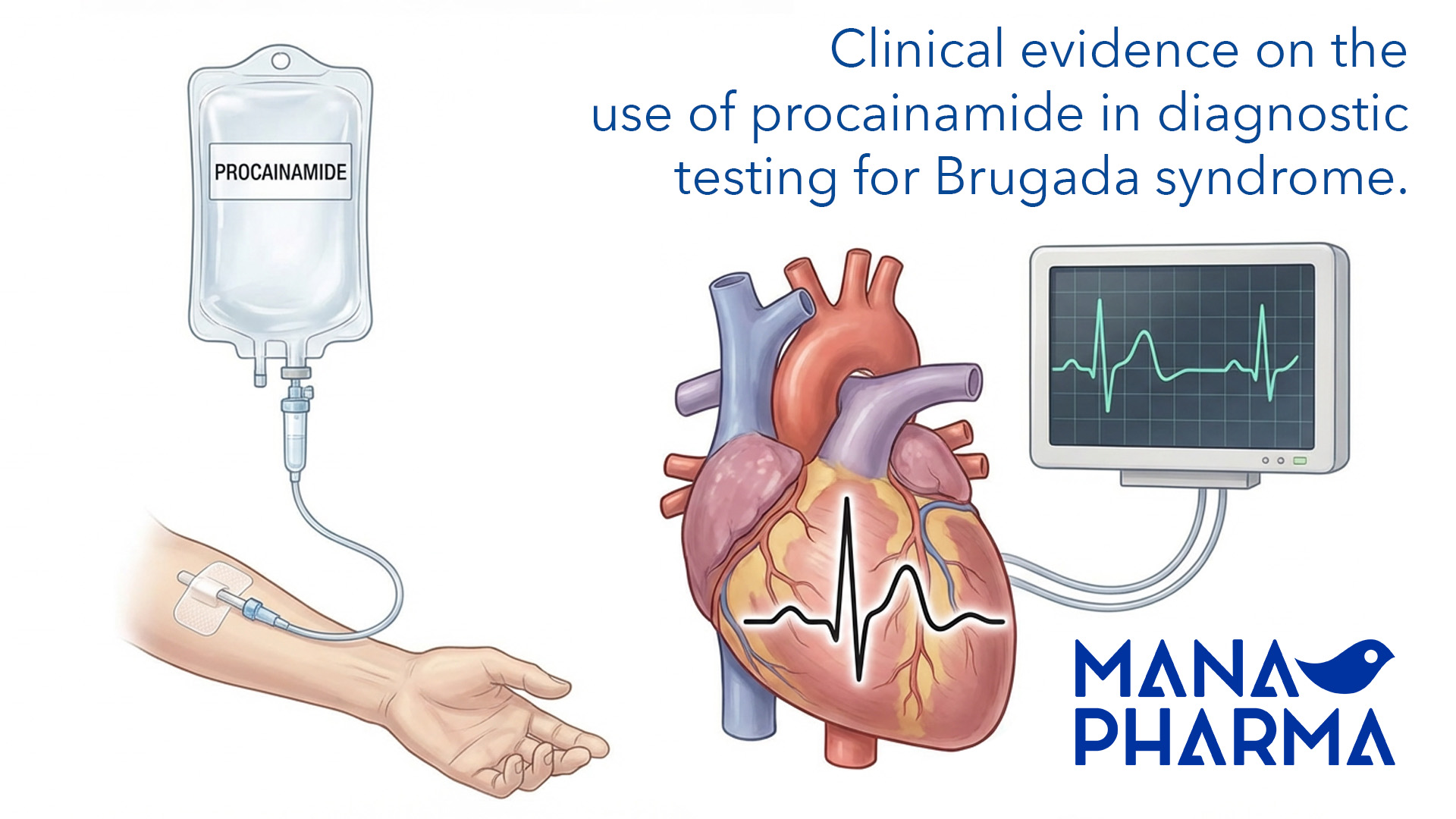



Clinical evidence on the use of procainamide in diagnostic testing for Brugada syndrome
Brugada syndrome is a cardiac channelopathy associated with an increased risk of malignant ventricular arrhythmias and sudden cardiac death. In some patients, the diagnostic electrocardiographic pattern is not present spontaneously and may require pharmacological testing for identification.
Various sodium channel blockers are used in this context in specialized centers to attempt to reveal the characteristic electrocardiographic pattern. Among them is procainamide, which is used in certain clinical protocols, particularly in North America.
A recent analysis published in 2025 by Robert Moore and colleagues evaluated data from the Canadian registry managed by the Hearts in Rhythm Organization (HiRO), with the aim of describing the safety, diagnostic performance, and clinical outcomes associated with this type of pharmacological testing.
Study design
The analysis included 947 consecutive patients evaluated between 2004 and 2024 within the HiRO registry. Patients underwent pharmacological testing due to clinical suspicion of Brugada syndrome.
The population included:
• survivors of unexplained cardiac arrest
• relatives of patients with Brugada syndrome or sudden cardiac death
• patients with suggestive electrocardiographic patterns (type 2 or type 3)
Protocol used
In the analyzed registry, an intravenous infusion protocol with the following characteristics was used:
• total dose: 15 mg/kg (maximum 1000 mg)
• infusion rate: 50 mg/min
• monitoring with continuous 12-lead ECG and high precordial leads
The test was discontinued if the following were observed:
• appearance of a type 1 electrocardiographic pattern
• significant increase in QRS complex duration
• occurrence of ventricular arrhythmias
• relevant symptoms or adverse effects
Safety of the procedure
In the analyzed cohort, serious adverse events during testing were infrequent.
Two episodes of ventricular arrhythmia (0.2%) occurred during infusion. Both resolved after discontinuation of the drug administration, without the need for defibrillation.
Non-cardiac adverse effects leading to test interruption were observed in four patients (0.4%), including symptoms such as severe nausea, visual disturbances, or chest discomfort.
Diagnostic performance
The study observed that the probability of inducing a type 1 electrocardiographic pattern varied according to the initial clinical indication.
Induction rates were higher in patients with:
• symptoms compatible with arrhythmia
• previous suggestive electrocardiographic patterns (type 2 or 3)
• a prior diagnosis of Brugada syndrome with intermittent pattern
In the registry analysis, sensitivity was estimated at approximately 92%, while specificity was considered high.
In patients carrying pathogenic variants of the SCN5A gene, the type 1 pattern was induced in a significant proportion of cases.
Clinical follow-up
The authors also analyzed long-term clinical outcomes by comparing patients with an induced pattern versus those with a spontaneous pattern.
The mean follow-up period was 5.9 years.
During this period:
• no major arrhythmic events were recorded in the induced-pattern group
• one event was observed in the spontaneous-pattern group
No deaths related to Brugada syndrome were recorded during follow-up in the analyzed groups.
Use of implantable defibrillators
Within the registry cohort:
• approximately 13% of patients had an implantable defibrillator at baseline
• an additional ~7% received the device during follow-up
During the observation period, no appropriate device therapies were documented in patients who received the defibrillator after the initial diagnosis.
Interpretation of the results
Data from the HiRO registry provide observational information on the use of pharmacological testing in the diagnostic evaluation of Brugada syndrome in a real-world clinical setting.
The authors note that interpretation of the results should be carried out in the context of the patient’s clinical profile and the recommendations of international clinical guidelines.
Limitations
The study presents several limitations, including:
• the observational nature of the registry
• potential variability in the criteria for test indication
• limited size of some clinical subgroups
For this reason, the results should be interpreted alongside other sources of scientific evidence.
Informational note
This content summarizes data published in the scientific literature and is intended for informational purposes. It does not constitute a diagnostic or therapeutic recommendation. Clinical decisions should be based on the individual evaluation of the patient and current clinical guidelines.